Clinical Locomotion

Understand movement as an integrated human system.

Clinical Locomotion brings biomechanics, muscular capacity, sensory input, motor control, and clinical reasoning together—so clinicians can better understand how people move and make clearer decisions about assessment and intervention.

Rooted in the broader Human Locomotion perspective, the series brings multiple lenses together in one practical approach to clinical movement.


The Clinical Locomotion Series

Clinical Locomotion is built for clinicians who want more than isolated tests and protocols. The series connects three-dimensional biomechanics with muscular capacity, sensory input, motor control, and clinical reasoning. Each course moves from observation to objective assessment to practical intervention, with hands-on demonstrations and immediate application to patient care.

Designed for: physical therapists, chiropractors, athletic trainers, and rehabilitation or movement professionals.
Continuing education: Approval is pending; credits have not yet been approved.

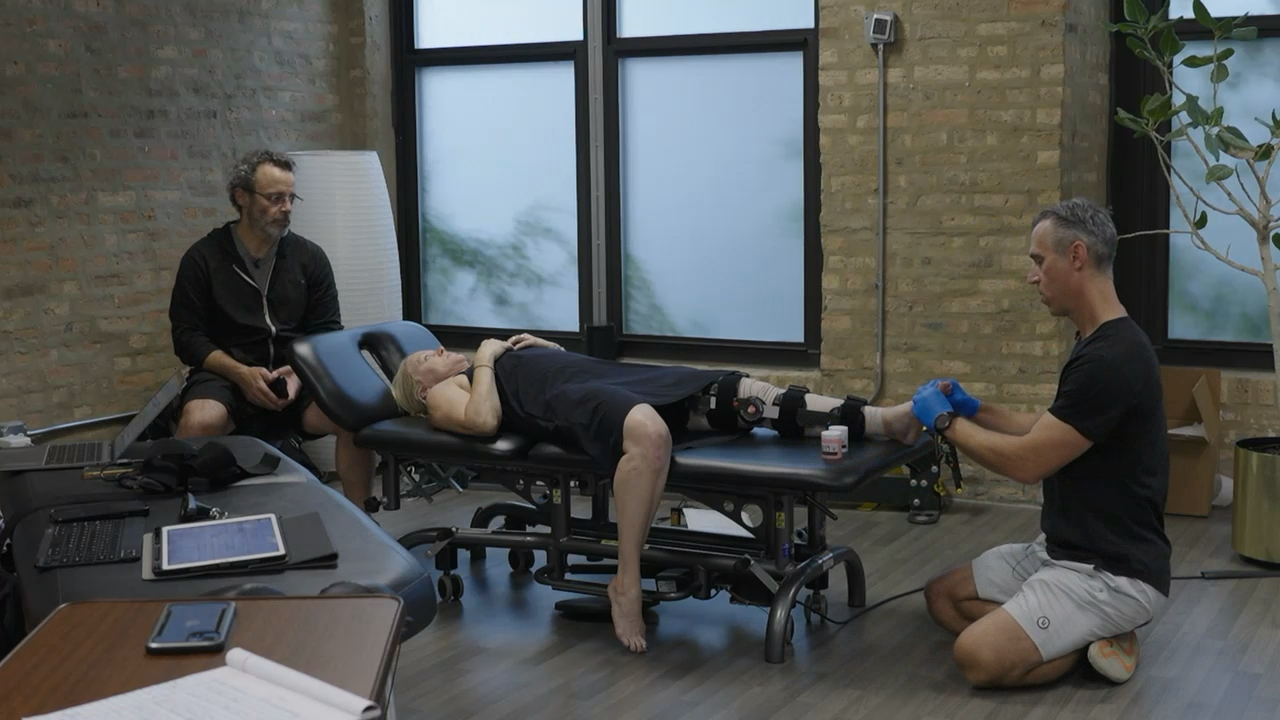
Hands-on foot and ankle assessment during a Clinical Locomotion course

Clinical Locomotion of the Foot and Knee

Move beyond isolated tests and diagnosis-driven protocols. This established course teaches a repeatable, capacity-based process for understanding the foot, ankle, and knee as part of a three-dimensional locomotion system.

Clinicians move from observation to measurement, assessment, intervention, and progression—using objective findings to identify the missing capacities that matter for each patient.

Participants will learn to:

  • Identify missing capacities contributing to common foot, ankle, and knee presentations.
  • Perform a repeatable lower-extremity evaluation using clinically accessible measures.
  • Translate three-dimensional biomechanics and force-transfer concepts into practical assessment.
  • Select, progress, and re-test interventions with clearer return-to-activity decisions.
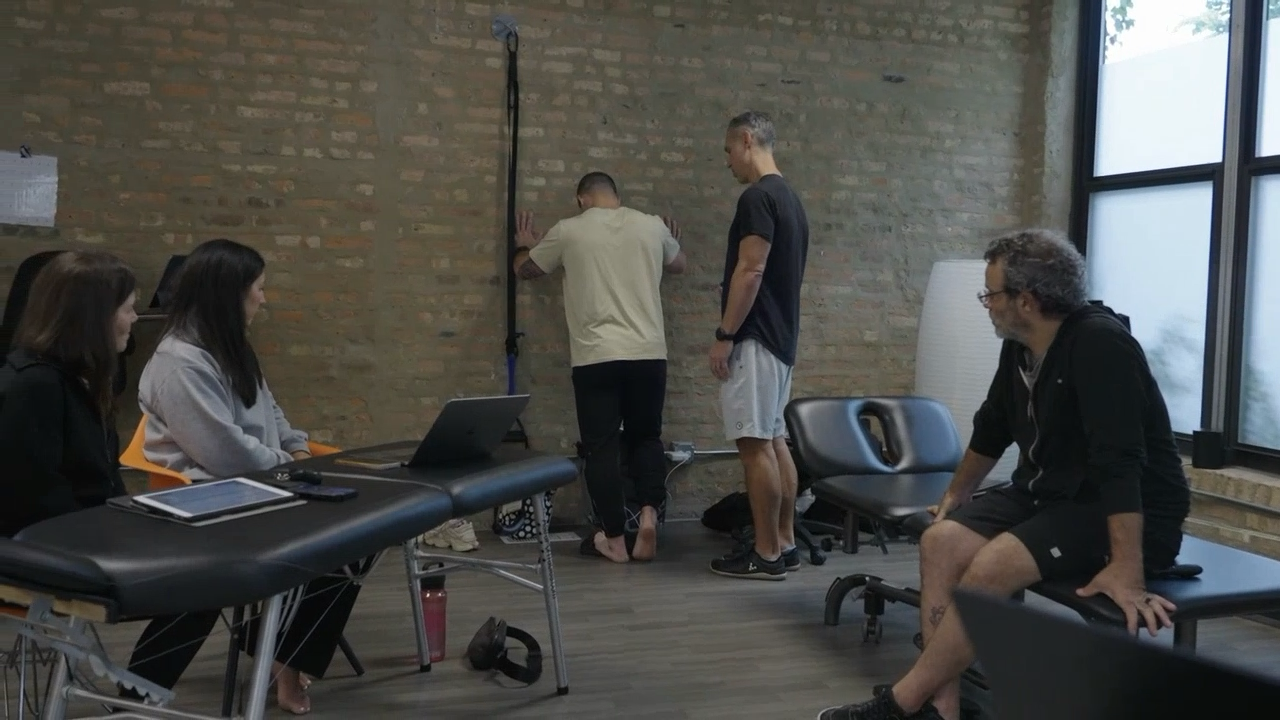
Course participants observing a live movement demonstration

Clinical Locomotion of the Hip and Low Back

See beyond the painful structure and understand how the center of the body organizes movement. This developing course explores the hip, pelvis, and lumbar spine as an integrated region within walking, running, and other whole-body tasks.

Clinicians examine how mobility, strength, load transfer, sensory information, breathing mechanics, and motor-control strategies influence movement through the trunk and lower extremity.

Course focus:

  • Understand the relationship among the hip, pelvis, lumbar spine, and lower extremity during locomotion.
  • Organize findings related to mobility, strength, load transfer, breathing, sensory input, and dynamic control.
  • Connect regional findings to meaningful interventions, progression, and whole-body movement.

Meet the Instructors

Three experienced clinicians. Complementary perspectives. One practical framework for understanding human movement.

Tom Michaud, chiropractor, author, and researcher

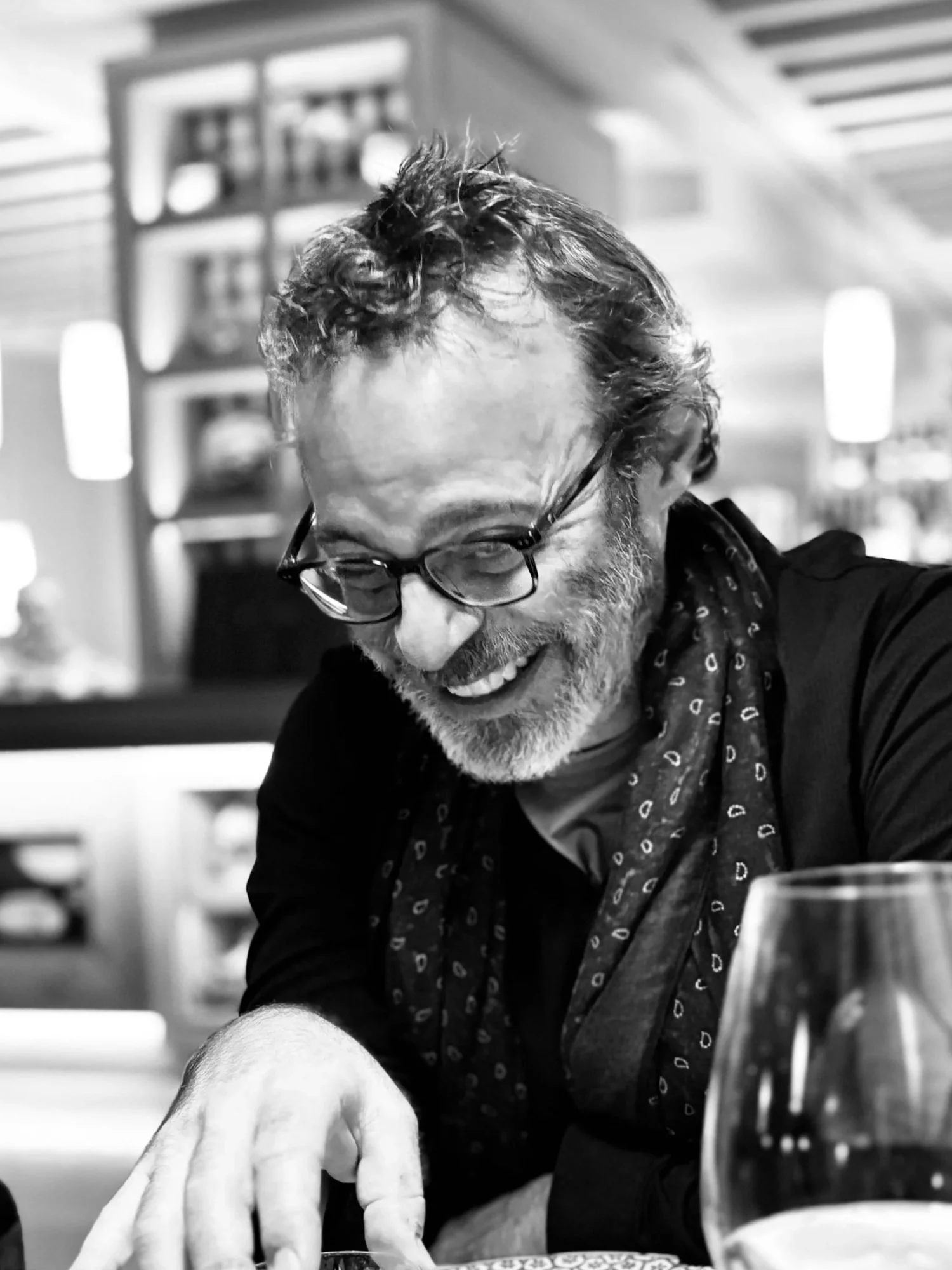
Tom Michaud, DC

Tom is a chiropractor, author, researcher, and product designer with 40 years of clinical experience. He has published more than 50 journal articles and authored Human Locomotion: The Conservative Management of Gait-Related Disorders, used in health-professions programs around the world. His work focuses on evidence-based evaluation, gait-related disorders, sports-injury prevention, and staying active across the lifespan.

Nick Studholme, chiropractor and biomechanist

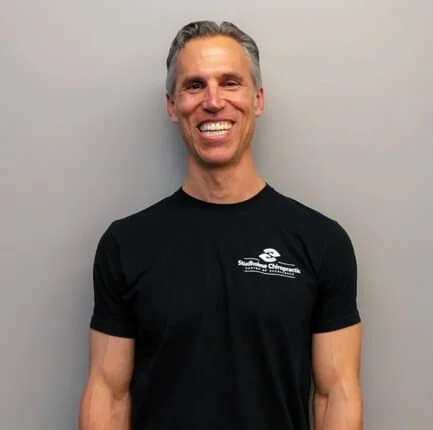
Nick Studholme, DC

Nick is a Denver-based chiropractor, biomechanist, and educator with more than two decades of experience in sports rehabilitation and performance. He combines hands-on care with objective movement assessment, including 3D gait analysis, EMG, and force measurement. He has worked with professional and Olympic athletes and co-founded the SparkMotion movement-analysis platform.

Adam Wolf, physical therapist and educator

Adam Wolf, PT

Adam is a Chicago-based physical therapist, author, and educator whose work connects biomechanics, applied neuroscience, and clinical reasoning. He has written two books, taught continuing education in more than twenty states, and worked in professional sport. He is currently a PhD student in Physical Therapy at Loma Linda University, studying how clinicians observe movement, organize complex findings, and decide what matters first.